- "Let’s build the better world together"

HEALTH HAZARD: URGENT CALL — ONE AFRICA FORUM DEMANDS IMMEDIATE ACTION ON FOOD CONTAMINATION IN Ghana

ONE AFRICA FORUM COMMENDS HIS EXCELLENCY, PRESIDENT JOHN DRAMANI MAHAMA AND THE GOVERNMENT OF GHANA FOR INCLUSIVE, FORWARD-LOOKING LEADERSHIP
January 5, 2026
Introducing The Vanguard by One Africa Forum
April 27, 2026HEALTH HAZARD: URGENT CALL — ONE AFRICA FORUM DEMANDS IMMEDIATE ACTION ON FOOD CONTAMINATION IN Ghana
There is growing alarm across communities: food sold in public markets and by some small-scale traders is being prepared with practices that likely expose consumers to serious — and in some cases life-threatening — chemical and microbiological hazards. Reports that vendors melt polythene or other plastics into hot oil to make chips crisper, that fruits are forced to ripen with hazardous chemicals, and that illicit industrial dyes are used to darken or “enrich” tomato paste represent not only fraud but a public-health emergency. These practices introduce toxic substances into food that can cause acute poisoning, long-term organ damage, endocrine disruption and increase cancer risk in the population.
The deliberate use of calcium carbide and similar banned agents to hasten fruit ripening is especially dangerous: such agents release acetylene and can contain impurities (including traces of arsenic and phosphorus) that have been associated with irritation, gastrointestinal distress, neurological effects, kidney damage and other serious outcomes. Scientific reviews and case reports make clear that such ripening shortcuts present both acute and chronic health risks for consumers.
The adulteration of tomato paste and spices with unauthorized synthetic dyes (including azo and Sudan-type dyes) is another documented hazard. These dyes are not approved for food use in many jurisdictions because of evidence linking them to genotoxic and carcinogenic effects; their detection in food products has been reported in multiple studies. Such substitution is fraudulent and dangerous.
In addition to these chemical threats, routine food-safety failures, unhygienic production environments, repeated reuse of degraded frying oil, lack of temperature control and poor hand and equipment hygiene, multiply the risks of foodborne infections and chronic exposure to harmful compounds created during poor frying practices (oxidized lipids, acrylamide and other process contaminants). International guidance highlights the need to manage frying temperatures, remove food debris, limit oil degradation and train vendors in basic food-handling principles.
At One Africa Forum, we call urgently on the Government of Ghana to act without delay and take consumer protection more seriously. Specifically we demand that the government:
- Issue an immediate public health advisory warning consumers about the described practices and the risks associated with chemically ripened fruit, plastic-treated frying oil, and the use of unauthorized dyes.
- Instruct and empower food-safety regulators and inspectors to mount targeted, visible enforcement operations in markets, roadside stalls and processing hubs, including sampling, laboratory testing and prosecution where laws are broken.
- Launch a fast, nationwide vendor education campaign using clear, actionable guidance (in local languages) on safe frying, hygienic food handling, permitted ripening methods and lawful additives — coupled with training and certification for market vendors.
- Provide accessible alternatives for vendors (approved oils, affordable certified packaging, designated clean cooking facilities and safe ripening technologies such as regulated ethylene systems) so that economic necessity does not drive dangerous shortcuts.
- Strengthen the regulatory framework and penalties for deliberate food adulteration and ensure routine publication of inspection results to restore public confidence.
- Establish a consumer hotline and simple reporting mechanism (with protection for whistleblowers) so citizens can report suspected contamination and receive timely responses.
- Coordinate urgently with public health agencies, the private sector, civil society and development partners to finance rapid lab testing, public education and sustainable vendor support programs.
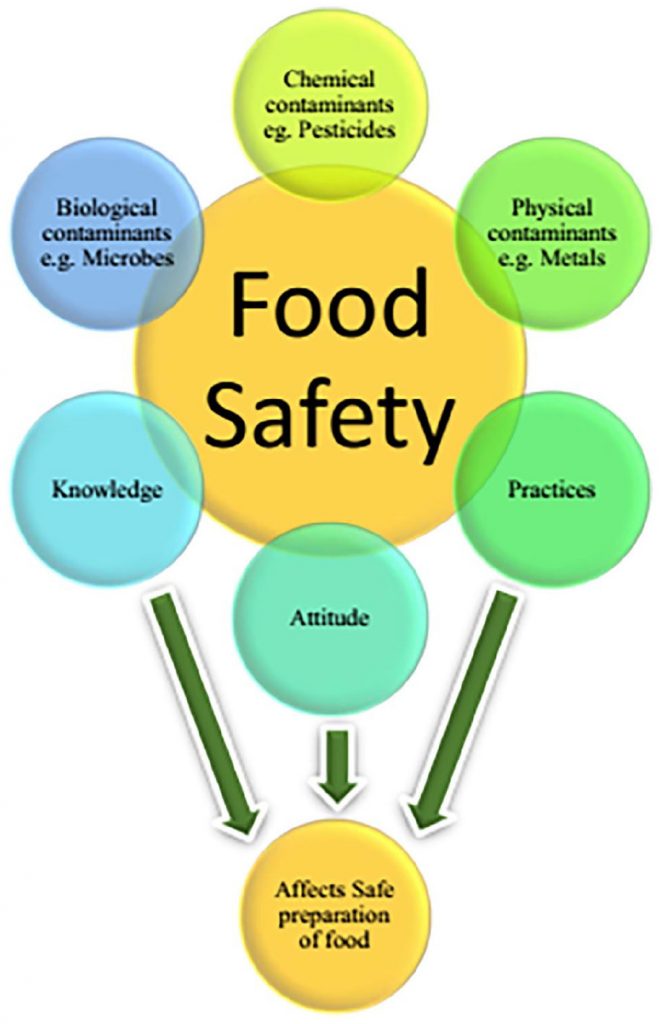
To protect consumers right now, One Africa Forum recommends these immediate, practical frying and handling measures that vendors and households must adopt (consistent with internationally recognised food-safety guidance):
• Do not put any plastic, polythene or foreign material into cooking oil. Burning or melting plastics releases dioxins, furans, phthalates and other toxicants that contaminate food and accumulate in the body.
• Use oils with a high smoke point (refined vegetable oils such as refined peanut, canola/rapeseed, high-oleic sunflower, or rice-bran oil) and avoid repeatedly reusing oil beyond safe limits; discard oil that smells rancid, smokes at normal frying temperature, is dark or sticky, or foams.
• Control frying temperatures — roughly 150–180°C for many deep-frying operations; avoid overheating which accelerates oil breakdown and formation of harmful compounds; when idling reduce temperature and cover the oil to limit oxidation. Regularly skim and filter oil to remove debris.
• Implement simple two-stage frying for chips/plantain: a lower-temperature blanch (to cook through) followed by a short high-temperature finish to crisp — this reduces oil uptake and improves safety when done with clean oil and proper temperature control.
• Never use unapproved chemicals (e.g., calcium carbide) to ripen fruit; rely on natural ripening or regulated, approved agents and methods where available. Wash produce thoroughly; advise consumers to avoid unnaturally uniform colour and strong chemical odours.
• Maintain basic hygiene: clean surfaces, access to safe water for washing, handwashing stations, covered food, and clean utensils. Vendor training in these basics reduces both contamination and foodborne illness.
We recognise that many vendors operate in constrained economic circumstances. That is why enforcement must be paired with support: training, access to safe supplies, low-cost certification, and designated clean vending sites. Heavy-handed crackdowns without alternatives will simply push the problem underground and endanger consumers further.
One Africa Forum further urges media, civil society and consumer groups to join this campaign: document violations, publicise inspection outcomes, support community education and help monitor whether corrective actions are taken. We also call on development partners to fund rapid diagnostic testing capacity in regional labs, so samples can be processed quickly and transparently.
Time is of the essence. The combination of toxic adulterants and unsafe preparation practices constitutes a real and present danger to public health. The silence of institutions in the face of credible reports will only deepen public fear and erode trust. We therefore demand an urgent, concrete response from the Government of Ghana to protect lives, preserve public confidence and restore safety to the nation’s food supply.
One Africa Forum stands ready to partner with authorities, vendors’ associations, consumer groups and public-health agencies to design and deliver the public education, vendor training, regulatory strengthening and monitoring systems necessary to end these practices. We will lead public engagement, support rapid awareness campaigns, and mobilise civil society partners to ensure that food sold in Ghana is safe and that traders who put profit before health are held accountable.
This is a public-health crisis that can be resolved if the country acts swiftly, transparently and in partnership. The health of ordinary Ghanaians — and the reputation of Ghana’s markets and food sector — depends on decisive action now.
For National Correspondence Contact:
Barbara Konadu
National Coordinator, One Africa Forum